
Discover the common operational bottlenecks slowing down RCIC practices and learn practical ways to fix them. From data entry to deadline management, this article explores how immigration consultants can simplify their workflow and focus on what truly matters — their clients.
1. Repetitive Data Entry
Typing the same client information across multiple forms or spreadsheets doesn’t just waste time—it increases the risk of small, costly errors.
Fix: Create a single source of truth for client data. Whether it’s a CRM, a database, or even a well-structured intake form, make sure client details live in one place and feed into everything else you do.
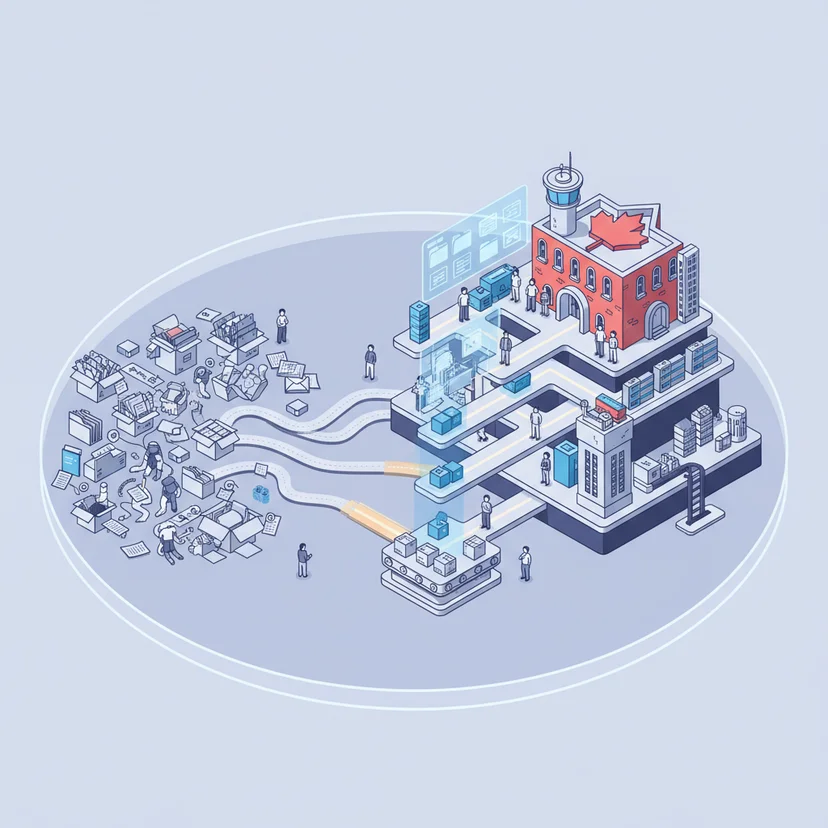
2. File and Document Chaos
Ever spent ten minutes looking for the “final_final.pdf”? You’re not alone. Many consultants store client documents across email attachments, shared drives, and USB sticks.
Fix: Centralize storage and label everything with a consistent naming convention. Set up shared folders per client, or better yet, use an automated file-request system that keeps everything organized from the start.

3. Deadline Management
Deadlines are the lifeblood of immigration work—but tracking them manually invites risk. A missed reminder can have serious consequences.
Fix: Use tools that automatically generate reminders or sync key dates to your calendar. Even a simple system—like colour-coded deadlines by urgency—can prevent things from falling through the cracks.
4. Communication Overload
Between clients, lawyers, translators, and government portals, communication happens everywhere—and it’s easy to lose track.
Fix: Consolidate your messages. Instead of replying from multiple inboxes, create a single communication log or use tools that integrate client messages directly with their case files.
5. Lack of Process Visibility
When you’re managing multiple cases at once, it’s hard to know where everything stands. Without visibility, you end up reacting to issues rather than anticipating them.
Fix: Map out your standard client journey—from intake to submission—and document each stage. It doesn’t have to be fancy; a clear workflow helps you (and your team) see bottlenecks before they grow.

Our Final Thoughts
Operational efficiency isn’t about replacing the human touch—it’s about protecting it. The less time you spend chasing forms and fixing small errors, the more energy you can devote to your clients and their stories.
Start small. Clean up one process at a time, and keep refining it.
The tools you use should amplify your expertise—not compete for your attention. To explore how VisaFlo can help you streamline your workflow and work more efficiently, book a free demo today.