The right tools can save you 10+ hours a week. Here is how to build a tech stack that actually works for your practice.
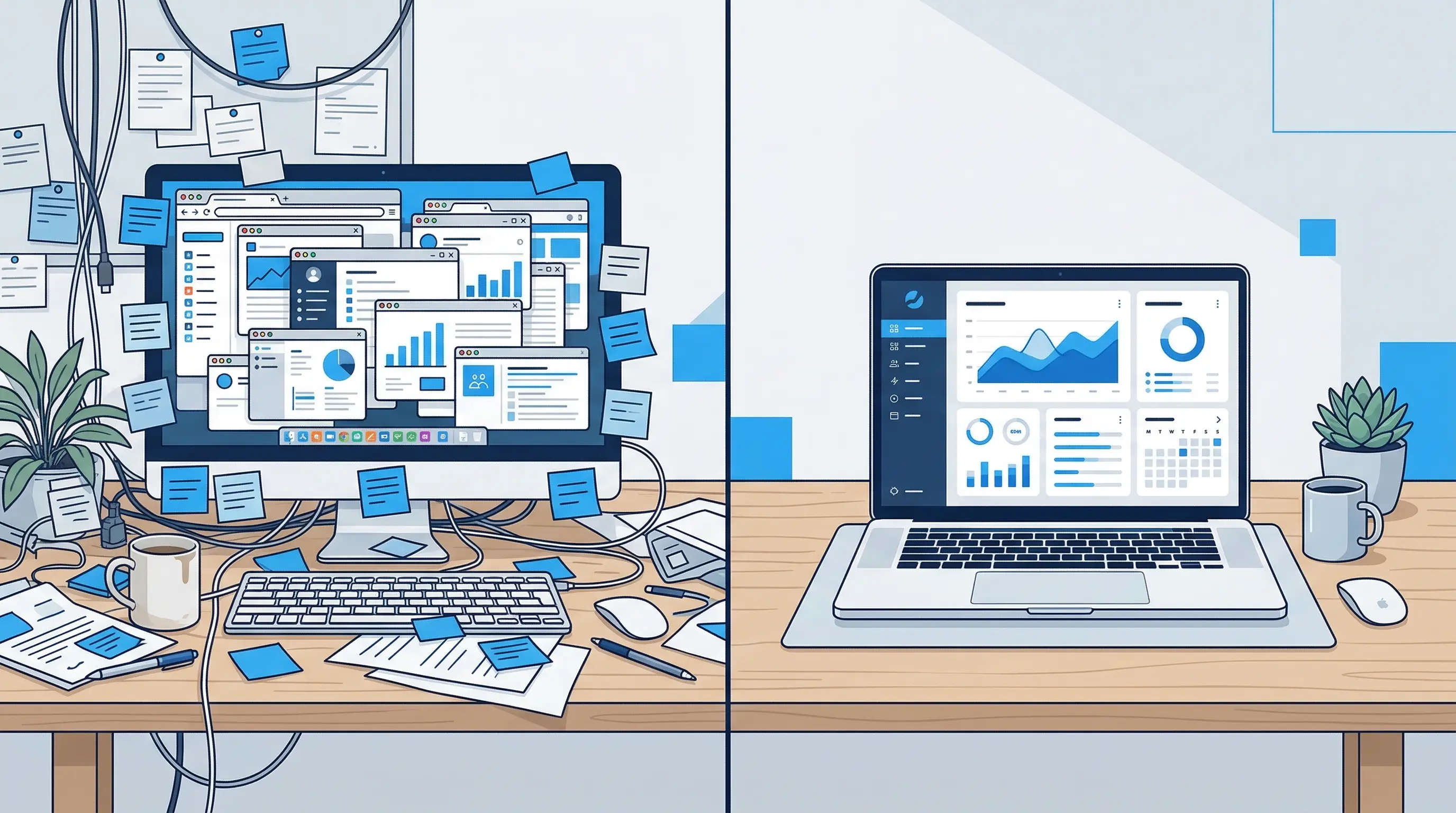
Running an immigration consulting practice is not just about knowing the law. It is also about managing clients, tracking deadlines, filling out forms, writing letters, and keeping everything organized. If you are still doing most of this manually, you are spending too much time on admin work and not enough time on what matters: helping your clients.
The good news? You do not need to be a tech expert to set up a system that works. In this guide, we will walk through the key tools every RCIC should have in their tech stack, and how to pick the right ones for your practice.

What Is a Tech Stack (and Why Should You Care)?
A tech stack is simply the group of software tools you use to run your business. For an RCIC, this usually includes tools for client intake, case management, document handling, scheduling, and communication.
A strong tech stack helps you work faster without cutting corners on quality. It reduces mistakes, keeps your files organized, and gives your clients a more professional experience. Most importantly, it frees up your time so you can take on more cases.
The 5 Core Tools Every RCIC Needs
1. Client Intake System - First impressions matter. An online intake form lets potential clients submit their information before the first consultation. This saves you from spending the first 30 minutes of every meeting asking basic questions. Look for a tool that collects key details like passport info, travel history, and family composition automatically.
2. Case Management Platform - Spreadsheets work when you have 5 clients. They break when you have 50. A proper case management tool lets you track each client's status, set deadlines, assign tasks, and see everything in one dashboard. This is the backbone of any efficient practice.
3. Document and Form Automation - IMM forms are repetitive. Filling them out by hand every time is one of the biggest time wasters for RCICs. Tools that can auto-fill forms using client data can cut your processing time in half. Even better if the tool can also help draft submission letters.
4. Scheduling and Calendar Tool - Back-and-forth emails to book a consultation are a thing of the past. A scheduling tool lets clients pick a time that works for both of you. It syncs with your calendar and sends automatic reminders, which means fewer no-shows.
5. Secure Communication Channel - Immigration cases involve sensitive personal information. You need a secure way to communicate with clients and collect documents. Email alone is not always enough. Look for tools with encrypted file sharing and client portals.
How to Choose the Right Tools
With so many options out there, choosing can feel overwhelming. Here are three simple rules to follow:
Start with your biggest pain point. If you spend 3 hours a day on forms, fix that first. If clients keep missing appointments, start with scheduling. You do not need to change everything at once.
Look for tools built for immigration. Generic CRMs and project management tools can work, but they usually need a lot of customization. Tools designed specifically for RCICs already understand your workflow, your forms, and your compliance needs.
Think about integration. Your tools should work together. If your intake form feeds directly into your case management system, you save time and avoid errors from copying data between platforms.

The All-in-One Approach
One trend that is growing fast in the immigration space is the all-in-one platform. Instead of using 5 different tools that may or may not work together, you use one platform that handles intake, case management, forms, scheduling, and documents in a single place.
This approach has clear advantages. There is less switching between apps, less chance of data getting lost, and usually a lower total cost compared to paying for multiple subscriptions. It also means one login, one dashboard, and one place to train your staff on.
Platforms like VisaFlo are built with this idea in mind. Everything an RCIC needs is in one workflow, from the first client inquiry to the final submission. The AI features handle the repetitive tasks like form filling and letter drafting, so you can focus on strategy and client relationships.
A Simple Checklist to Get Started
If you are ready to upgrade your tech stack, here is a quick action plan:
First, list out every tool you currently use, including spreadsheets, email, paper files, and sticky notes. Second, identify which tasks take the most time every week. Third, research tools that solve those specific problems. Fourth, test before you commit. Most platforms offer free trials or demos. Finally, set aside one afternoon to migrate your current data and train yourself on the new system.
You do not need to make the switch overnight. Even small changes, like adding an online intake form or automating your scheduling, can make a noticeable difference in your first week.
Final Thoughts
Technology is not about replacing the human side of immigration consulting. It is about removing the busy work so you can do more of what you are good at. The RCICs who invest in the right tools now will be the ones processing more cases, making fewer mistakes, and growing their practices faster.
Whether you start with one tool or go all-in on a complete platform, the best time to upgrade your tech stack is today.